
Comparing Central Air to Ductless Mini-Split Systems
When updating your home cooling system, you have several configuration options to consider. Central air conditioning is the most common system in Dallas, utilizing a network of ducts to distribute cooled air. This setup is highly effective for maintaining a uniform temperature throughout large, multi-room homes.
Ductless mini-split systems offer an alternative for homes without existing ductwork or for specific additions. These systems consist of an outdoor condenser connected to one or more indoor air handlers mounted on walls. Mini-splits allow for zoned temperature control, meaning you can cool individual rooms independently.
Professional air conditioning services help you compare these systems based on your home’s architecture and your budget. Technicians evaluate the feasibility of installing ducts versus mounting ductless units in specific rooms. This expert guidance ensures you choose the cooling configuration that best suits your lifestyle.
Understanding Seasonal Energy Efficiency Ratio Ratings
When shopping for new cooling equipment, you will frequently see the term SEER, which stands for Seasonal Energy Efficiency Ratio. This rating measures the cooling efficiency of an air conditioner over an entire cooling season. A higher SEER rating indicates a more efficient system that uses less electricity to cool your home.
Modern systems typically feature SEER ratings ranging from 14 to over 20. While units with higher ratings may have a higher initial purchase price, they offer substantial savings on utility bills. Over the lifespan of the system, these monthly savings can offset the initial investment.
During consultations for air conditioning services, professionals explain how SEER ratings translate into actual operating costs. Technicians can help you calculate the potential return on investment for different efficiency tiers. This information allows you to make an economically sound decision for your property.
The Installation Process for a New Air Conditioner
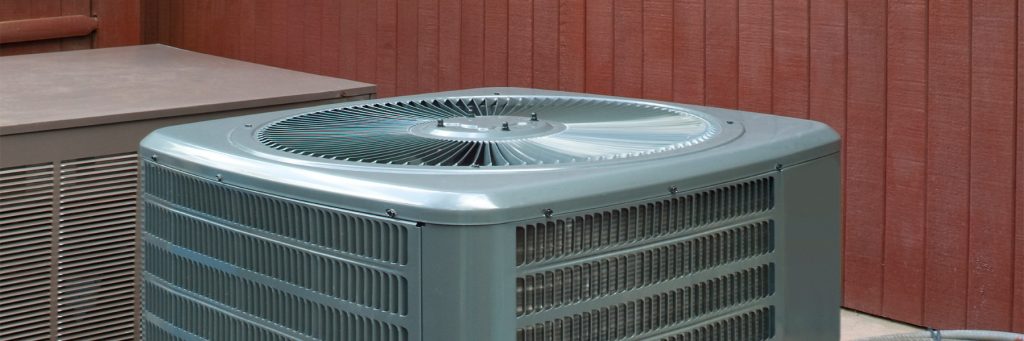
Installing a new air conditioning system is a complex task that requires precise mechanical and electrical assembly. The process begins with the careful removal of your old equipment and the preparation of the installation site. Technicians must place the outdoor condenser unit on a level pad with adequate clearance for airflow.
Inside the home, the technician installs the evaporator coil and connects it to the outdoor unit using refrigerant lines. These lines must be carefully sealed, evacuated of air, and charged with the precise amount of refrigerant. Proper electrical wiring and thermostat connections are also completed during this phase.
Professional installation ensures that every component is calibrated according to manufacturer specifications. This detailed process is critical for achieving the rated efficiency and long-term reliability of your new equipment. Trusting experienced installers guarantees that your new system is set up for success from day one.
Maximizing the Efficiency of Your New Cooling Unit
Once your new system is installed, there are several ways to maintain its peak efficiency over time. Keeping the outdoor condenser unit free of leaves, grass clippings, and debris ensures unrestricted airflow. Restricted airflow around the condenser forces the system to work harder and reduces cooling capacity.
Using your thermostat wisely also contributes to efficient operation. Setting the temperature slightly higher when you are away from home reduces the overall workload on the system. Utilizing ceiling fans to circulate air can also make rooms feel cooler without lowering the thermostat.
Scheduling annual air conditioning services with A Blessed Air Conditioning Company LLC keeps your new unit in prime condition. Our routine maintenance checks verify that all components continue to operate at peak efficiency. Professional care protects your investment and ensures reliable comfort for many summers in Fort Worth.